Early Intervention - FAQ
Common Questions
The New Jersey Early Intervention System (NJEIS) serves infants and toddlers from birth through age three who have a developmental delay or a condition that may affect their development. Children who are deaf or hard of hearing are presumed eligible to receive specialized Early Intervention services that support Listening and Spoken Language.
Parents, caregivers, physicians, hospitals, childcare providers, or other professionals can make a referral to the New Jersey Early Intervention System. Once a referral is received, NJEIS will contact your family to explain the process, schedule an evaluation.
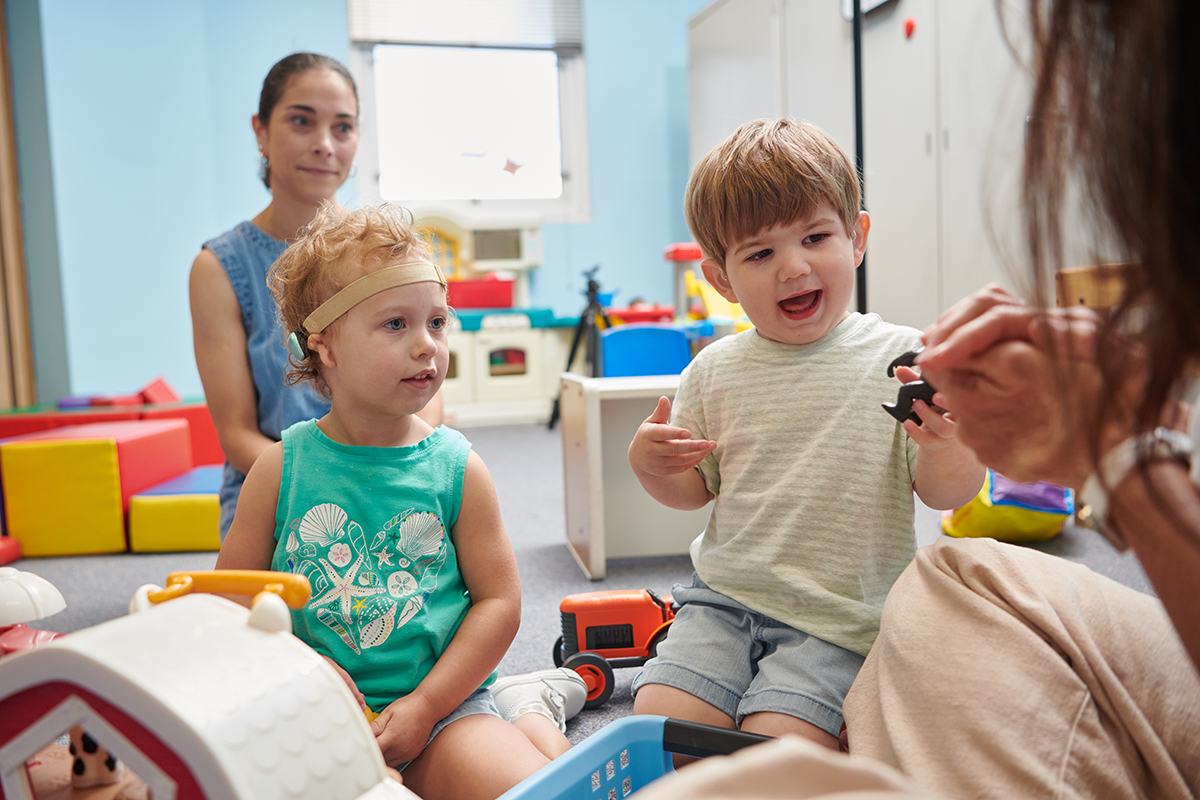
Yes. Early Intervention services are typically provided in your child's natural environment, such as your home, childcare setting, or another community location where your child spends time. Providing services in familiar environments helps children learn and practice new skills during their everyday routines while allowing families to actively participate in the learning process. Services may also be offered via telehealth.
An Individualized Family Service Plan (IFSP) is a personalized plan developed for your child and family after your child has been found eligible for Early Intervention services. The IFSP outlines your family's priorities, your child's strengths and needs, measurable outcomes, recommended services, and how those services will support your child's development. Families are active members of the IFSP team and help guide every step of the planning process.
New Jersey Early Intervention services are funded through a combination of state, federal, and insurance resources. Depending on your family's circumstances, some families may have a cost share based on the New Jersey Family Cost Participation Program. Your Service Coordinator will explain any potential costs before services begin, and no family is denied services because of an inability to pay.
The frequency of services is individualized based on your child's needs and the outcomes identified in the IFSP. Some children may receive services once or twice a month, while others may benefit from weekly visits or participation in additional group programming. Your IFSP team will review your child's progress regularly and make recommendations as your child's needs change.
Yes. Sound Beginnings is designed to complement your child's individual Early Intervention services. While children participate in therapeutic play experiences led by the Summit Speech School multidisciplinary team, parents and caregivers take part in facilitated family education and support groups. Together, these experiences provide opportunities to strengthen Listening and Spoken Language skills, practice social communication, connect with other families, and learn practical strategies that can be incorporated into everyday routines.
Any Questions?
Our team is always ready to answer your questions.